In a world where music sets the rhythm of our daily lives and soundscapes define entire experiences, sound engineering has become the invisible magic behind every beat, note, and melody. From the swelling soundtrack of a blockbuster film to the thundering bass at a summer music festival, sound engineering ensures that audiences hear not just noise, but artistry.
What is Sound Engineering?
At its core, sound or audio engineering is the study of the technical aspects of music recording and sound production. It combines creativity with science, fusing musical imagination with precision tools.
A sound engineer deals with everything from sound reinforcement to equalisation, track mixing, and post-production mastering. If the musician is the performer in the spotlight, then the sound engineer is the unseen conductor who balances every detail behind the curtain.
Sound engineering is not just about pressing buttons. It is about sculpting sound. In today’s age, where technology and music walk hand-in-hand, the role of sound engineers has expanded beyond studios into live concerts, gaming, broadcasting, and even artificial intelligence-driven music production.
The Importance of Sound Engineering in Today’s World
The last two decades have witnessed a meteoric rise in the music and entertainment industry. Global music festivals attract millions, streaming platforms have democratized music, and immersive audio has taken over cinema and gaming.
Each of these areas leans heavily on the precision of sound engineering. A song without balance is like a dish without seasoning, and sound engineers provide the perfect seasoning to every auditory experience.
In the age of Dolby Atmos, 3D soundscapes, and virtual concerts, sound engineers are no longer just support players; they are innovators pushing the boundaries of what sound can achieve.
Why the UK is Ahead in Sound Engineering
When it comes to music and sound, the UK is the beating heart of global innovation. From The Beatles and Pink Floyd to Adele and Ed Sheeran, the country has been home to some of the greatest musicians in history. But equally, it has nurtured the technical masterminds who make these artists shine.
The UK is globally recognised for its deep association between academia and the music industry. With state-of-the-art facilities, cutting-edge research, and partnerships with music festivals, production houses, and broadcasting companies, the UK has created a nurturing ecosystem for budding sound engineers.
Students here do not just learn in classrooms; they gain hands-on exposure to live performances, world-class studios, and real-world projects. This blend of heritage and innovation makes the UK a natural choice for those looking to master sound engineering.
Who is a Sound Engineer?
A sound engineer is a professional who ensures the quality, clarity, and balance of sound in different settings. Whether in a live concert, a studio recording, or a video game sound design session, the sound engineer’s role is to make the audience feel immersed.
What Do They Do?
Sound engineers handle both the artistic and technical sides of sound. Their work includes:
Setting up and operating microphones, mixing consoles, equalisers, and digital audio software.
Recording and editing audio for music, film, or broadcasts.
Designing sound systems for venues or events.
Mastering tracks to prepare them for commercial release.
Some even dive into research and development, creating new audio equipment or software plugins that shape the future of the industry.
Roles in Sound Engineering
Just like an orchestra has different musicians, sound engineering offers diverse roles:
Recording Engineer – This role involves capturing high-quality audio, whether in a studio or on location.
Mixing Engineer – A mixing engineer takes individual tracks and blends them together to produce a cohesive and balanced final sound.
Live Sound Engineer – This professional is responsible for managing all the audio aspects of live events, such as concerts, theatre productions, and sporting events.
Mastering Engineer – Prepares tracks for release by refining tonal balance and loudness.
Broadcast Engineer – Ensures smooth audio for radio and television broadcasts.
Sound Designer – Creates original sound effects and soundscapes for film, TV, or games.
Audio Equipment Technician – This technician handles the maintenance and repair of essential audio gear like microphones, speakers, and mixing consoles.
Audio Equipment Designer – Innovates new products for sound production.
Software Developer – Creates plugins and audio-related software.
Music Producer – Oversees the creative and technical process of recording music.
This versatility means that graduates are not confined to just one niche—they can carve their own soundscape across industries.
Why Study Sound Engineering in the UK?
Studying in the UK offers a perfect harmony of tradition, innovation, and industry exposure. Here’s why international students flock to British universities for this subject:
World-class Facilities – From Europe’s largest audio complexes to cutting-edge 3D sound labs, the infrastructure is unmatched.
Industry Connections – Many UK programs work hand-in-hand with top studios, festivals, and tech firms.
Faculty Expertise – Courses are taught by award-winning producers, engineers, and researchers.
Creative Ecosystem – Students collaborate with peers from film, fashion, and performing arts, enabling cross-industry projects.
Cultural Heritage – Studying in the land of iconic bands and genres inspires students to innovate.
Passionate about Sound Engineering? Book a Free consultation with ScholarshipKart today. Our expert counsellors help you explore the best universities and the right course options in the UK, designed to match your creative and career goals. Start your application today and take the first step toward your sound career!
Top UK Universities for Sound Engineering
Now let’s tune into the leading UK Universities offering world-class sound engineering programs.
University of West London
The University of West London (UWL) is a leading name in sound engineering, offering both a BSc (Hons) Sound Engineering and an MSc in Digital Audio Engineering.
The undergraduate degree builds step by step, starting with fundamentals like mathematics of sound, recording, and production, then advancing into technical applications, culminating in a final-year project that often becomes a career-defining portfolio.
The MSc caters to graduates aiming to specialise further, with modules on signal processing, electroacoustics, and advanced studio practice. UWL’s standout feature is its exceptional facilities, such as over 20 professional studios, labs, and computer suites, among the largest audio complexes in Europe.
Students also gain hands-on exposure by supporting performances at the London College of Music, bridging technical knowledge with live practice. With industry links to the Audio Engineering Society and the Institution of Engineering and Technology, graduates are positioned for global success in diverse audio careers.
University of Derby
The University of Derby offers the MSc Audio Engineering, designed in consultation with leading professionals to match industry demands.
The course focuses on both technical and creative applications of sound, covering live sound reinforcement, noise measurement, surround sound, and software design for audio. A key strength is Derby’s emphasis on applied research, encouraging students to contribute to publications or international conferences, which gives them an academic as well as professional edge.
Facilities are cutting-edge, including 3D multichannel sound rooms, a live event production space, and a hemi-anechoic chamber for testing audio environments. The programme also provides valuable networking opportunities through guest lectures by experienced professionals.
Graduates from Derby have found roles with top companies like Bowers & Wilkins, d&b audiotechnik, and MQA, demonstrating the degree’s strong reputation. By blending innovation, advanced facilities, and industry input, Derby ensures that students graduate as highly skilled and job-ready audio specialists.
University of Hertfordshire
The MSc Audio Engineering at the University of Hertfordshire merges technical expertise with creative application, preparing students for roles in sound production and design.
The course covers advanced recording, sound processing, and critical listening, with teaching led by industry-active professionals such as Bruce Aisher, a renowned producer and composer. Facilities are among the best in the UK, featuring a Neve Genesys Black analogue mixing console, PMC and Neumann monitoring systems, and a variety of high-end plugins and outboard gear.
These resources allow students to work at professional industry standards throughout their studies. The university’s strong industry links ensure practical relevance, with graduates securing roles at global organisations including Apple, Channel 4, and Creative Assembly.
Students develop a mix of technical, creative, and managerial skills, making them suitable for diverse careers such as sound designers, editors, composers, or technical managers in today’s rapidly evolving audio industry.
University of Huddersfield
The BSc (Hons) Sound Engineering and Music Production at the University of Huddersfield is designed for students who want to combine technical mastery with creative exploration.
The course spans areas like advanced music production, immersive audio, game sound, live performance mixing, and sound for film and media, ensuring graduates are versatile. Facilities are top-tier, including five Pro Tools studios, SSL and Audient consoles, immersive audio rooms, and mastering suites with professional-grade plugins and monitoring systems.
Huddersfield’s teaching is enriched by guest lectures and masterclasses from world-class professionals, including Grammy-winning engineer Andrew Scheps and live sound specialist Jon Burton, who have shared insights into their global careers.
This direct industry exposure complements the university’s strong academic base, making learning both practical and inspiring.
Graduates leave equipped with technical expertise, creative vision, and real-world experience that opens doors in recording, production, game audio, and live sound sectors.
Birmingham City University
Birmingham City University (BCU), in collaboration with the Royal Birmingham Conservatoire, offers the BSc (Hons) Sound Engineering, a degree blending technical knowledge with creative application.
The course addresses both traditional and emerging audio fields, covering multi-channel sound design, immersive audio, embedded audio systems, and even the role of machine learning in sound technologies.
Facilities are world-class, including purpose-built studios at the Conservatoire and access to the SoundLab in STEAMhouse, a unique innovation space where students can experiment with audio technology.
Students also work with professional tools such as Pro Tools, Logic, MATLAB, and Python, ensuring they are trained on industry-standard platforms. BCU’s curriculum is future-focused, equipping learners to thrive in rapidly evolving sectors like spatial audio and interactive media.
By combining expert tutors, technical excellence, and a strong emphasis on experimentation, the university prepares graduates for careers in sound design, live audio, and studio production.
Nottingham Trent University
The BSc (Hons) Audio and Music Technology at Nottingham Trent University provides students with a strong foundation in both the science and art of sound.
The course balances theoretical modules on acoustics, audio electronics, and digital signal processing with practical training in studio recording, sound for film, and live sound production. Facilities include professionally equipped studios, mixing rooms, and labs where students can test and refine their skills.
Nottingham Trent places a strong emphasis on employability, encouraging students to work on real-world projects and collaborations that simulate industry environments. The curriculum also fosters research and innovation, ensuring graduates not only understand current audio practices but are prepared to shape future developments.
By blending science, creativity, and professional practice, Nottingham Trent’s programme equips students with versatile skills, enabling them to pursue careers across sound engineering, production, broadcasting, and multimedia industries.
University of South Wales
The Sound, Lighting and Live Event Technology - BSc (Hons) at the University of South Wales blends engineering with creativity, preparing students for careers in the fast-paced events industry. The program is renowned for its strong industry links, hands-on training, and highly regarded graduates.
Based in Cardiff, a thriving hub of music, media, and culture, students benefit from endless opportunities to gain real-world experience. The course structure emphasises practical learning, with nearly half the teaching delivered through workshops, labs, and live event settings.
Faculty members are industry-active professionals supported by alumni, broadcasters, and production companies, ensuring students stay updated with the latest practices. Facilities include advanced studios, labs, and access to cutting-edge equipment provided through strong industry partnerships.
The university maintains strong links with regional and national music industries, offering students opportunities to gain real-world experience through placements and collaborations, equipping graduates with both technical expertise and creative insight, making them highly employable across the UK and beyond.
By combining modern facilities, expert teaching, and a focus on industry relevance, the University delivers a course that prepares students for the fast-paced world of sound, light and event technology.
University of Salford
The University of Salford has a strong reputation in audio, offering the BEng (Hons) Acoustical and Audio Engineering as well as related postgraduate routes.
This course provides a technical and scientific approach to sound, covering acoustics, digital audio, studio production, and live sound. Students benefit from access to the university’s renowned acoustics laboratories, recording studios, and immersive audio spaces, where they can apply theory to practice.
Salford’s connections to professional bodies and organisations ensure that its teaching is always aligned with current industry standards. The course also encourages collaboration, giving students the chance to work on live projects and interact with experts from the broadcasting, music, and engineering industries.
Graduates have pursued careers in sound engineering, acoustics consultancy, broadcasting, and audio design, reflecting the course’s versatility. With its strong technical focus, advanced facilities, and industry reputation, Salford offers a robust pathway into the professional sound and audio sector.
University for the Creative Arts (UCA)
The BA (Hons) Music and Sound Production at the University for the Creative Arts, Farnham, combines creativity and technical training in a vibrant, arts-driven environment.
The course introduces students to recording, mixing, mastering, and sound design while encouraging experimentation with contemporary technologies and creative approaches. UCA provides excellent facilities, including professional-grade studios, editing suites, and performance spaces, where students can bring their ideas to life.
Collaboration is a key element, as students often work alongside peers in film, animation, and game design, giving them the chance to apply sound skills in multimedia contexts. The programme is particularly suited to those who want to blend artistry with technical expertise, preparing graduates for diverse roles in music production, media, film, and gaming industries.
By fostering both creativity and technical ability, UCA offers a distinctive take on sound engineering that appeals to aspiring producers and innovators alike.
University of Central Lancashire (UCLan)
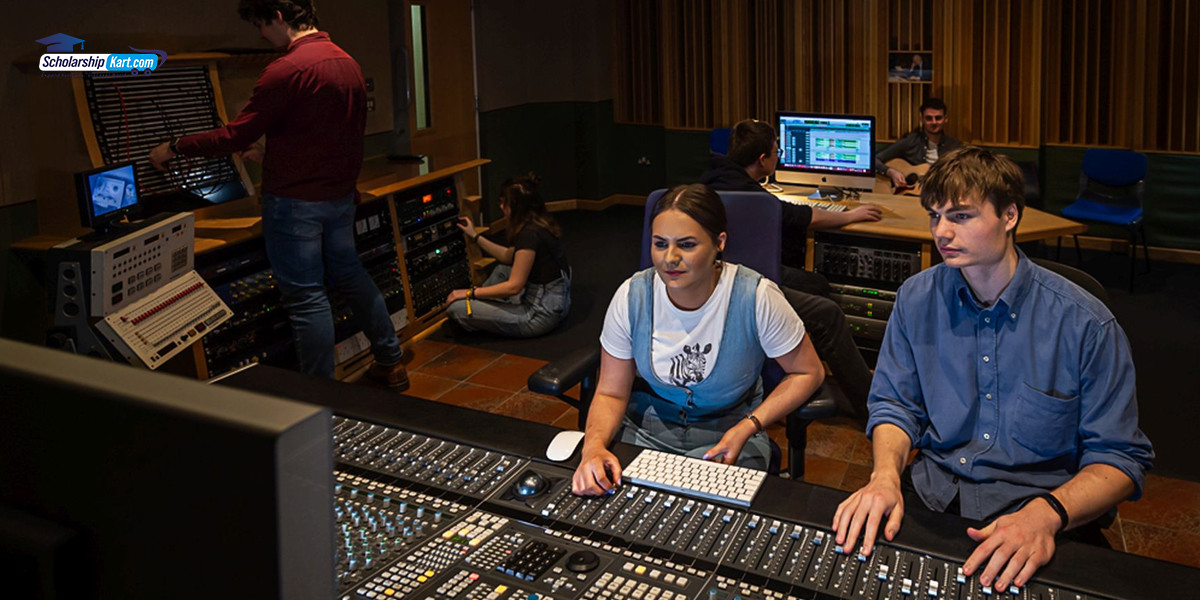
The University of Central Lancashire (UCLan) delivers its BSc (Hons) Live Sound Engineering and Music Production in collaboration with Spirit Studios, a renowned name in Manchester’s audio industry.
This partnership provides students with access to professional-standard facilities and the expertise of staff who are active practitioners in the field. The course covers recording, mixing, live sound, audio post-production, and emerging technologies, ensuring students develop a broad skill set.
Spirit Studios’ industry reputation also means students gain valuable networking opportunities and insight into professional practice. Graduates from this programme are well-prepared for careers in sound engineering, music production, broadcast audio, and related industries.
By combining academic depth with practical training in a real-world professional environment, UCLan and Spirit Studios provide one of the most career-focused routes into sound engineering in the UK, making it an excellent choice for aspiring audio professionals.
Connect with ScholarshipKart Today to Study Sound Engineering in the UK
Ready to study Sound Engineering abroad? With ScholarshipKart, you will get expert support for applications, visa guidance, and scholarship opportunities, ensuring a smooth and stress-free journey to the UK.